Vitiligo
An auto-immune skin condition in which the cells that make pigment (melanocytes) are damaged or stop working, leading to pale or white patches on the skin.

Skin conditions range from mild and temporary to long-lasting, and can affect comfort and confidence. We offer personalised Ayurvedic and lifestyle guidance to support healthy skin, alongside the regular care of your doctor.
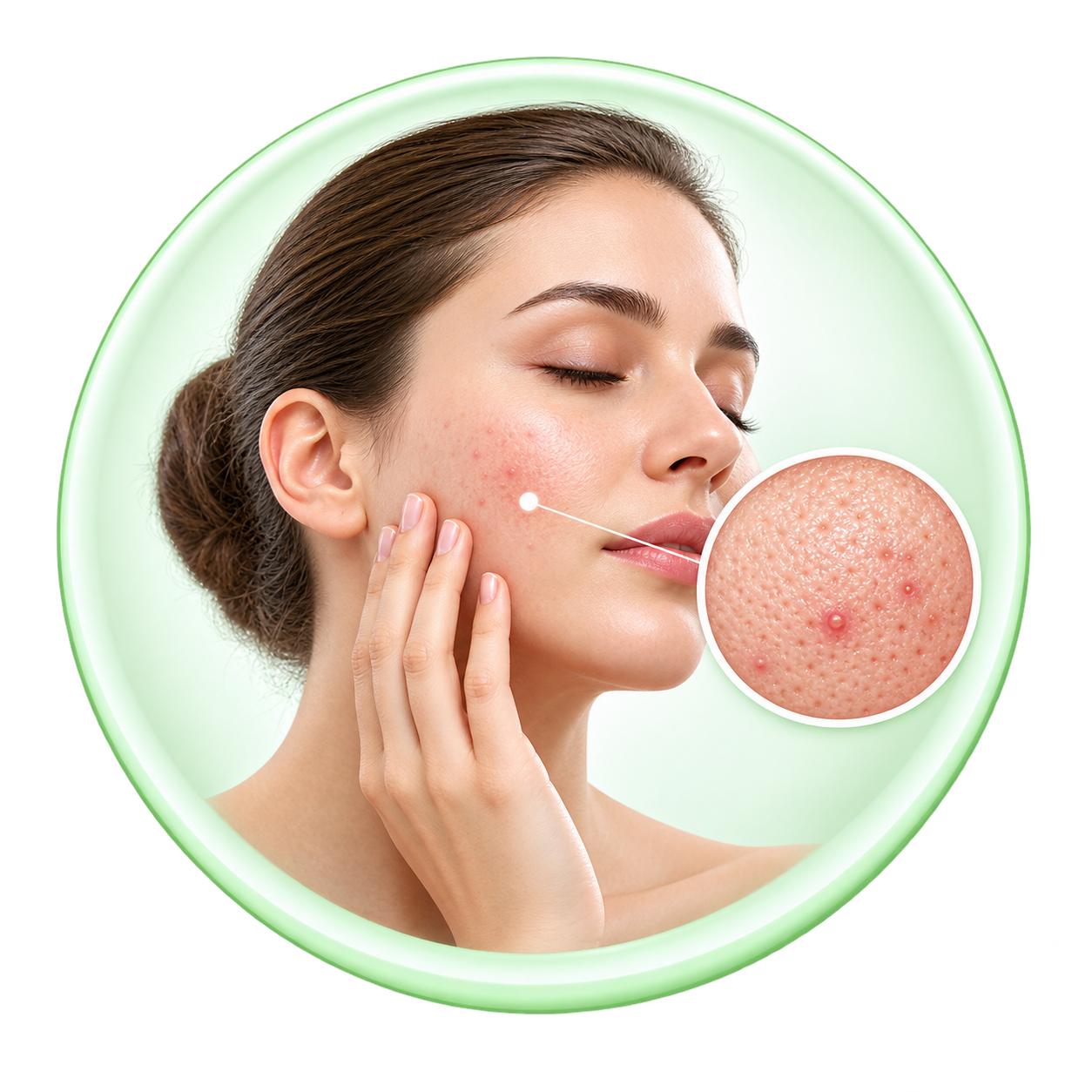
A skin disorder is any abnormality or disturbance in the structure or function of the skin. The skin is the body’s largest organ and works as a protective barrier between your internal organs and the outside world.
Conditions such as psoriasis, vitiligo and pigmentation can change how the skin looks and feels, causing rashes, itching, swelling or discolouration. Because skin is so closely tied to our appearance, these conditions can also affect confidence and quality of life.
An auto-immune skin condition in which the cells that make pigment (melanocytes) are damaged or stop working, leading to pale or white patches on the skin.
A long-term immune-related condition in which skin cells multiply too quickly, forming thick, scaly, silvery-white patches. Stress, diet, infections and genetics can all play a role.
Darkening of patches of skin caused by excess melanin. It can follow sun exposure, hormonal changes, inflammation or injury to the skin.
A common condition in which clogged pores lead to blackheads, whiteheads, pimples and cysts. Hormones, stress, diet and skincare habits can all contribute.
Some skin conditions run in families and can be passed down through genes.
When the body’s defence system mistakenly attacks healthy skin cells, conditions such as psoriasis or vitiligo can develop.
Bacteria, viruses or fungi can infect the skin and cause rashes, itching or other changes.
Reactions to certain foods, chemicals or substances can trigger skin problems.
Harsh weather, pollution and irritating substances can aggravate the skin.
Underlying health issues such as diabetes, thyroid or autoimmune conditions can show up on the skin.
Skin concerns can affect people of any age or background, so no one is immune.
Symptoms vary with the type and cause of the condition. Here are some of the most common signs. Please see a doctor if they persist or worsen.
Redness or inflammation, often with a change in the texture of the skin.
Persistent or on-and-off itching that can be widespread.
Some conditions cause soreness, burning or tenderness.
Darkening or lightening of the skin, or white patches.
Shedding of the outer skin layer, causing flaking or peeling.
Low moisture levels that leave the skin rough, tight or cracked.
At Shukraveda Herbals we believe skin health reflects overall balance. Our approach is rooted in Ayurvedic thinking, looking at your constitution, diet, stress and daily habits instead of treating the surface alone.
We combine herbal guidance with simple dietary and lifestyle suggestions that fit your routine, and we follow up so that your plan can be adjusted as you progress. Our guidance supports, and does not replace, the care of your dermatologist.
Yes. Diet can influence skin health, and some foods may aggravate certain conditions. A balanced, fresh and mostly home-cooked diet generally supports healthier skin.
Many skin conditions can be supported with natural measures such as a suitable diet, herbal care, stress management and a regular routine. Results vary from person to person, so we suggest keeping your doctor informed.
Steroids should only be used as advised by your doctor. Long-term or unsupervised use can cause side effects, so please do not start or stop any medicine without medical advice.
It depends on the condition, how long you have had it and your overall health. Some people notice changes in a few weeks, while others need several months of steady care.
Disclaimer: This page is for general information only and is not a substitute for professional medical advice, diagnosis or treatment. Always consult a qualified doctor about your health.