Azoospermia
No measurable sperm is found in the semen. It may be present from birth or develop later in life, and its cause can lie in sperm production or in a blockage along the way.

Male fertility can be influenced by hormonal balance, infections and lifestyle habits such as smoking and alcohol. We offer personalised Ayurvedic and lifestyle guidance to support your reproductive wellness.
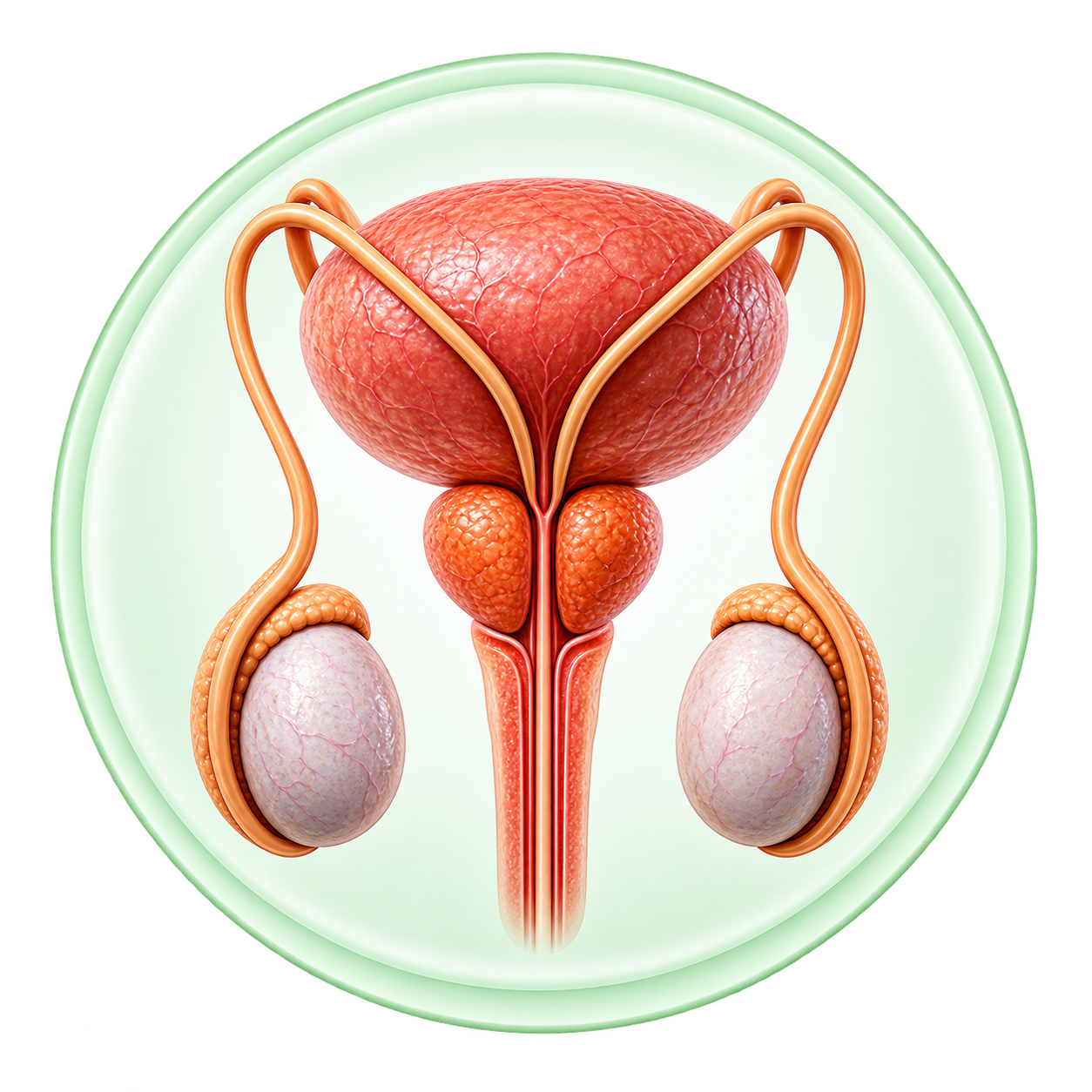
Male infertility means a man has difficulty helping his partner conceive. It happens when there are problems with the sperm, such as a low count, poor movement or an abnormal shape, or with how sperm are carried in the semen. Age, lifestyle and certain medical conditions can contribute. Seeking advice early and exploring your options can help couples through the challenge of starting a family.
No measurable sperm is found in the semen. It may be present from birth or develop later in life, and its cause can lie in sperm production or in a blockage along the way.
A lower than normal sperm count. A healthy sample generally has a good concentration of sperm per millilitre, and counts well below that are described as oligospermia.
Difficulties such as premature ejaculation or erectile dysfunction can make conception harder, and often have both physical and emotional causes.
Sperm develop best when the scrotum is slightly cooler than the rest of the body. Disturbances in this balance or in hormones can affect production.
Conditions present from birth, such as undescended testes, can affect sperm development.
Some chromosomal or inherited conditions can reduce sperm movement or production.
Blockages or abnormalities in the reproductive tract can prevent sperm from reaching the semen.
Raised temperature in the scrotum, for example from varicocele, can interfere with sperm production.
Long-lasting bacterial or other infections of the reproductive tract can harm sperm quality.
Smoking, heavy alcohol use, poor nutrition, obesity, stress, certain medicines, radiation and exposure to toxins can all play a part.
Many men have no obvious symptoms, but the following signs are worth discussing with a doctor.
Difficulty with erections, problems with ejaculation or reduced desire.
Noticeable changes in the size or feel of the testicles.
Discomfort that may point to an underlying problem.
A varicocele can affect sperm production.
One or both testicles not having moved into the scrotum.
Infections that may affect fertility if left untreated.
Significant, unexplained gain or loss can reflect hormonal imbalance.
Reduced muscle, increased body fat and low mood may point to a deficiency.
At Shukraveda Herbals we focus on supporting natural balance and overall reproductive health. Our guidance combines herbal support, dietary and lifestyle changes and stress management, tailored to your history and routine.
We place emphasis on a nutritious diet, regular physical activity and good sleep, and we follow up so that your plan can change as you progress. Our guidance works alongside, not instead of, proper medical evaluation.
Many things, including hormonal imbalance, infections, genetic conditions, varicocele, blockages, lifestyle habits and certain medicines. A proper evaluation helps find the cause.
Yes. Smoking can lower sperm count and movement and may damage sperm quality. Quitting is one of the most helpful steps you can take.
Yes. Using steroids can disturb the hormones needed to produce sperm and may reduce fertility. Please speak to a doctor about this.
Diet, lifestyle changes and herbal support may help overall reproductive health. They work best alongside proper medical evaluation, and results vary between individuals.
Disclaimer: This page is for general information only and is not a substitute for professional medical advice, diagnosis or treatment. Always consult a qualified doctor about your health.